 


Font size options
Increase or decrease the font size for this website by clicking on the 'A's.


Contrast options
Choose a color combination to give the most comfortable
contrast.
Enjoy an informative presentation by Dr. Evan Lieberman on the evolution of the science fiction genre in film.
Science fiction is now one of the most popular genres in film, but it wasn’t always that way. This engaging presentation traces the genre’s evolution—from its origins in Georges Méliès’ A Trip to the Moon (1902) and Fritz Lang’s Metropolis (1927), through the post-WWII boom fueled by atomic anxiety and the space race, to its breakout with Star Wars in 1977. We'll explore everything from 1950s B-movies to groundbreaking works like La Jetée, The Day the Earth Caught Fire, and 2001: A Space Odyssey. Packed with film clips and lively commentary, this talk charts how sci-fi went from fringe curiosity to a cinematic powerhouse.
Dr. Evan Lieberman is an Associate Professor of Film at Cleveland State University's School of Film and Media. His areas of academic expertise include Film Genres, Experimental Film, Cinematography and International Cinemas. In addition to being a scholar and teacher, Dr. Lieberman is an active filmmaker having written, produced, directed and/or photographed a wide range of feature films, television shows, shorts, music videos and now web series. When not immersed in the world of film, he plays bass guitar in the Cleveland-based rock band Kiss Me Deadly.
A Trip to the Moon (1902), Metropolis (1927), and The Day the Earth Caught Fire are all available for free digital streaming through the library on Kanopy.
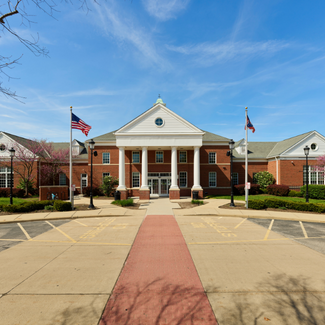
In 1829, Charles Hyde Olmsted promised to donate 500 books from his father’s collection if the residents agreed to change the name of their town from Lenox to Olmsted. They did and the books traveled by oxcart and were housed in individual residents’ homes while being circulated. The “Oxcart Library” is thought to be the first circulating public library in the Western Reserve.
This branch is a Student Success Center and a Greater Cleveland Food Bank Kids Café location.